

Tanzania [Africa], December 1: Operating in rural Tanzania’s artisanal mining sector presents inevitable challenges: infrastructure is often limited, remote terrain complicates logistics, formal licensing or regulatory compliance may be weak, and small-scale miners may not have easy access to capital for equipment upgrades or exploration tools. Reddy’s model acknowledges these realities; his equipment suggestions lean towards scalable, affordable options, and his training emphasises low-cost, high-impact practices.
Venkat Ashok Kumar Reddy has been working directly with local artisanal miners in rural regions of Tanzania. His consultancy focuses on empowering these miners with modern tools and practices ranging from data-driven exploration to technical skills in mining base metals and precious gemstones, as well as the appropriate selection of mining equipment suited to various terrains.
Reddy has introduced exploration workflows into communities of small-scale miners, which historically relied on visual inspection and local “luck” rather than systematic methods. By helping them collect and interpret soil and rock samples, generate simple maps of promising mineral zones, and overlay these with terrain and geology observations, he is bridging the gap between large-scale mining practice and grassroots mining. The result: miners can focus their efforts where the data suggest higher potential, reducing wasted effort and lowering the costs of blind excavation.
Beyond exploration, Reddy provides training in the technical skills needed to extract base metals (e.g., copper, zinc) and precious or semi-precious metals. In practical workshops, miners learn how to safely stabilise mine tunnels in narrow metal-bearing veins, apply proper rock-splitting and trenching techniques, and handle recovery in a manner that preserves value (rather than simply blasting everything). He also teaches ore sorting basics, mineral identification for base metals, and methods for dealing with varying deposit types (weathered versus fresh rock, alluvial gravels versus hard-rock veins).
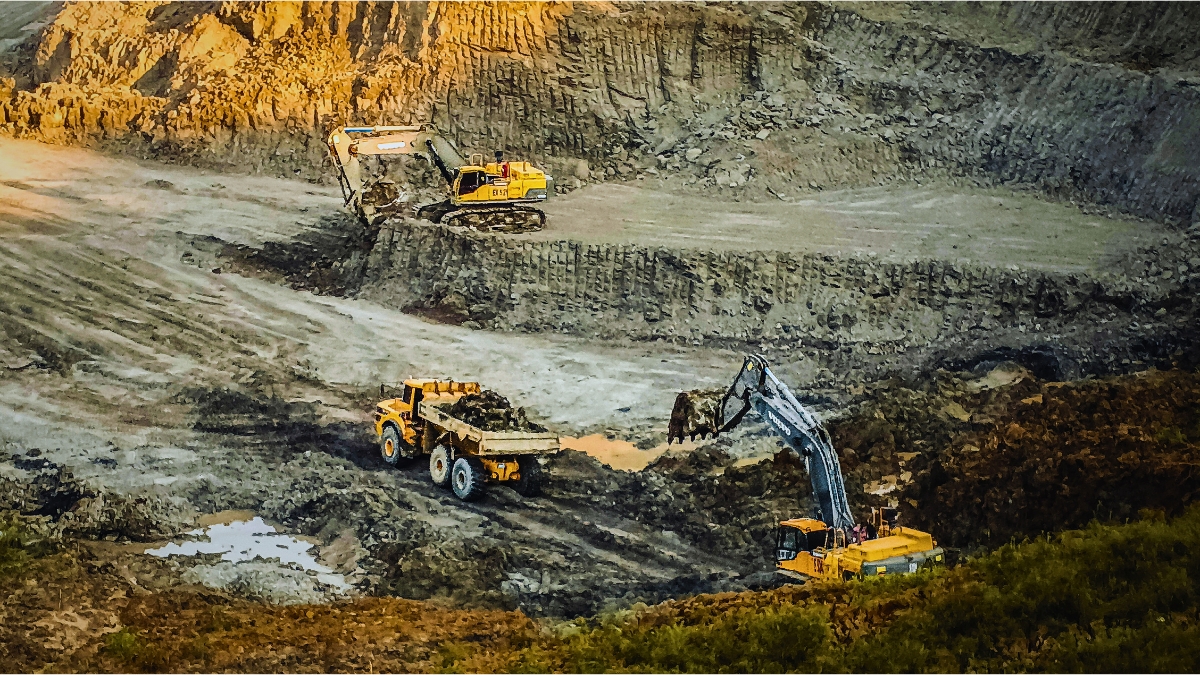
One of the distinguishing features of Reddy’s consultancy is the emphasis on matching equipment choice to the mining terrain. In gently sloping alluvial deposits, he recommends compact excavators or skid-steer loaders for cost-effective digging; in rugged hillside gem-vein terrain, he suggests hand-tool augmentation or small portable drills; in hard-rock base-metal ridges, he advises careful selection of rock-breakers, drill rigs and mucking systems appropriate to small-scale operations. His guidance helps miners avoid the twin pitfalls of “over-capitalising” on expensive equipment they cannot sustain or of using underpowered tools that hamper productivity and safety.
Looking ahead, the prospects for his consultancy model are promising. If it gains traction, the artisanal miners he supports could see reduced wastage, better targeting of mineral zones, increased recovery of higher-value materials, improved safety, and ultimately more substantial local economic benefit. The approach also dovetails with global interest in ethical, traceable supply chains for raw materials if small miners can demonstrate improved practices, they may access better markets and higher value for their output.
