

Mumbai (Maharashtra) [India], December 25: Once upon a time, food trends were frivolous. They arrived with hashtags, overstayed their welcome, and disappeared before anyone could pronounce them correctly. But as 2026 approaches, what people are eating—and how they’re eating it—feels oddly serious. Less about novelty. More about negotiation.
Negotiation between inflation and indulgence. Between health and comfort. Between cultural curiosity and the stubborn need for something familiar after a long day of pretending to be functional.
Food, it turns out, has become a mirror. And the reflection isn’t particularly filtered.
A new global trend report tracking eating habits for 2026 reveals a clear pivot: nutrient-dense foods, high-protein snacks, culturally authentic comfort dishes, premium indulgences, and global flavours are no longer niche interests. They’re daily decisions. From toast-based meals dressed up as minimalism to Icelandic salmon jerky masquerading as wellness, the modern plate is doing emotional labour.
And yes, it’s tired.
The shift didn’t begin in kitchens. It began in wallets.
Food inflation hasn’t just changed what people buy—it’s changed how they justify eating. When prices rise, every bite suddenly needs a reason. Health becomes an argument. Protein becomes a virtue. Premium indulgence becomes “earned.”
People aren’t eating less joyfully. They’re eating more defensively.
When Inflation Forced Food To Pick A Side
How Rising Costs And Health Anxiety Rewrote The Menu
Inflation has a way of clarifying priorities. As food prices climbed globally over the last few years, consumers didn’t abandon quality—they redefined it.
Cheap calories lost their appeal. Empty indulgence felt irresponsible. What emerged instead was a strange hybrid: food that promises nourishment and pleasure, often in the same bite.
High-protein snacks aren’t just about fitness anymore. They’re about satiety. Longevity. Value per mouthful. Nutrient density has become the new thrift.
At the same time, people aren’t giving up indulgence—they’re upgrading it. If you’re going to splurge, it better feel intentional. Premium comfort foods now carry emotional justification: nostalgia, craftsmanship, cultural depth.
This isn’t a contradiction. It’s an adaptation.
Snack Culture Grew Up And Got A Personality
The Rise Of Snacktails And Elevated In-Between Eating
Meals are losing their monopoly. Snacks have unionised.
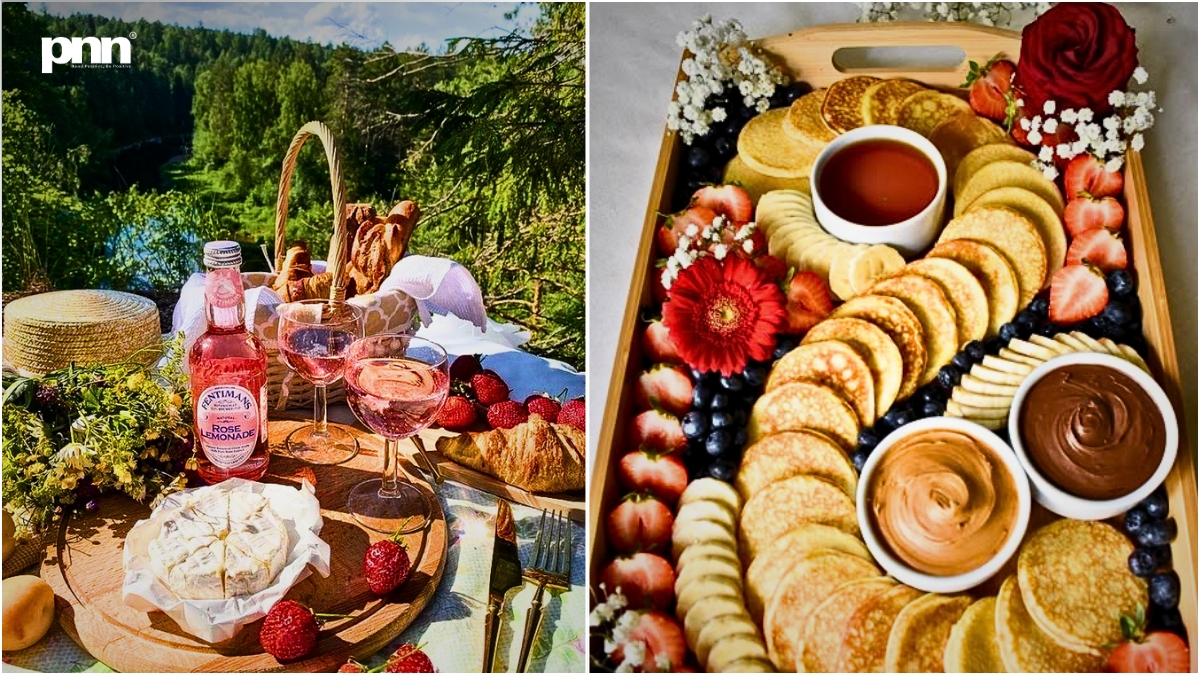
“Snacktails”—small, flavour-forward bites paired with beverages—are emerging as lifestyle markers in urban social spaces. They’re casual but curated. Social but controlled. Perfect for a generation that wants connection without commitment.
Snack-based eating reflects modern schedules: irregular, hybrid, and perpetually distracted. But it also reflects taste evolution. These aren’t mindless munches. They’re carefully portioned, protein-forward, globally inspired mini-experiences.
Eating is no longer about fullness. It’s about fit—into time, mood, and identity.
Comfort Food Is Having A Cultural Renaissance
Why Authenticity Is The New Luxury
Comfort food used to mean predictability. In 2026, it means heritage.
Culturally authentic dishes—once diluted for mass appeal—are reclaiming their complexity. Urban consumers are seeking flavours that feel rooted, not revised. Spice isn’t being apologised for. Texture isn’t being simplified.
This rise isn’t accidental. As globalisation flattened taste for years, people are now craving specificity. They want to know where a dish comes from, who made it first, and why it mattered.
Food has become a socially acceptable way to express cultural curiosity without having to explain yourself too much.
Toast, Jerky, And The Art Of Reinvention
Some of the most telling trends are deceptively simple.
Toast-based dishes aren’t about bread. They’re about modular living. Affordable bases dressed up with global toppings—ferments, proteins, sauces—turning minimalism into flavour.
Icelandic salmon jerky and similar protein-rich snacks signal another truth: wellness has gone portable. Convenience no longer excuses compromise. People want functional food that travels well and photographs better.
There’s sarcasm in this evolution, of course. We’ve somehow made survival chic.
The Economics Behind The Plate
Let’s talk numbers, briefly and without romance.
Global food and beverage innovation spending continues to rise, with brands investing heavily in protein formulations, sustainable sourcing, and premium packaging. At the same time, consumers are spending more per item—but buying more selectively.
This selective indulgence means:
-
Fewer impulse buys
-
Higher expectations
-
Stronger loyalty to brands that deliver consistently
Food is no longer disposable. It’s deliberate.
The Pros We’re Enjoying (And Posting About)
The Positives Of This Shift:
-
Better nutritional awareness
-
Greater respect for cultural origins
-
More mindful indulgence
-
Innovation driven by real demand
Food feels more intentional, less wasteful, and—occasionally—more honest.
The Cons We’re Quietly Ignoring
The Less Tasty Realities:
-
Premiumisation risks exclusion
-
Health trends can slide into obsession
-
Cultural foods risk being aestheticised
-
Convenience still drives overprocessing
Not every “nutrient-dense” snack is virtuous. Not every global flavour is respected properly. And not everyone can afford the new definition of “better food.”
Progress, as always, arrives unevenly.
What This Says About Us (Beyond Appetite)
Food trends rarely lie. They just exaggerate.
The 2026 food landscape suggests a population that wants control without rigidity, pleasure without guilt, and connection without chaos. Eating has become one of the few spaces where people feel allowed to curate their lives deliberately.
Food is no longer just nutrition. It’s narrative.
What you eat says who you are, how tired you are, what you value, and what you’re willing to compromise on. That’s a lot of pressure for lunch—but here we are.
Where The Industry Is Headed Next
Brands, chefs, and food entrepreneurs are responding quickly. Expect more:
-
Hybrid formats blending snack and meal
-
Transparent sourcing narratives
-
Functional indulgences
-
Culturally grounded menus with modern delivery
The challenge will be restraint. Not every tradition needs reinvention. Not every trend needs scaling.
Sometimes, the smartest move is leaving a good thing alone.
View this post on Instagram
Final Thought
Food didn’t become complicated.
Life did.
And in 2026, what’s on your plate isn’t just about hunger—it’s about how carefully you’re choosing to live with it.
