

National Science Day event sees launch of global mentorship platform MyAstra and STEM collaboration ecosystem SciX
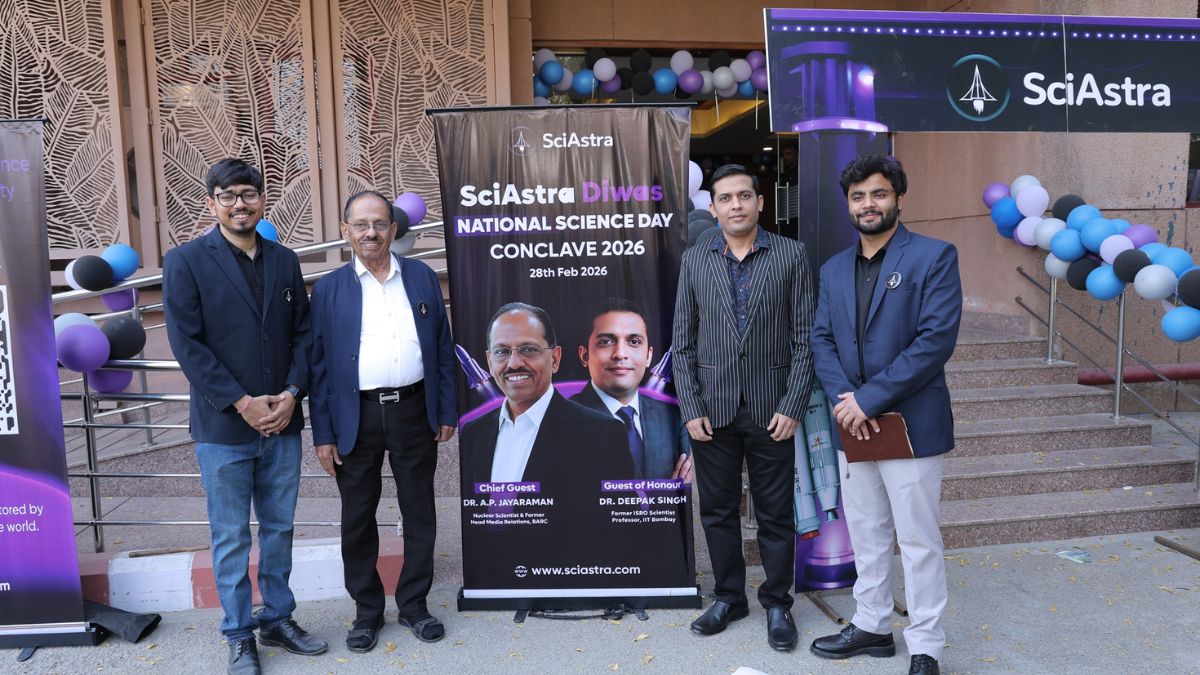
Noida (Uttar Pradesh) [India], March 03: On the occasion of National Science Day (February 28), the inaugural SciAstra Diwas was held at the JSS University Auditorium, Sector 62, Noida, bringing together nuclear scientists, academicians, science communicators, alumni from premier institutes and hundreds of research aspirants from across India.
Commemorating the discovery of the Raman Effect by Nobel Laureate Sir C.V. Raman, the event combined reflection on India’s scientific legacy with major announcements aimed at strengthening the country’s research preparation ecosystem.
Eminent Scientists Address the Gathering
The programme began with a ceremonial lamp-lighting by Dr A.P. Jayaraman, Nuclear Scientist and Former Head (Media Relations), BARC; Prof. Deepak Singh of IIT Bombay; and SciAstra co-founders Vivek Dwivedi and Akhil Tripathi.
Dr Jayaraman emphasised that science must not remain confined within laboratories but must actively engage with society. He called upon young aspirants to view scientific pursuit as both intellectual responsibility and public service.
Prof. Deepak Singh highlighted the importance of academic discipline and sustained mentorship, particularly for students preparing for research-oriented entrance examinations such as IAT and NEST.
From Mentorship Gap to a 5 Lakh+ Member Community
Addressing the audience, Vivek Dwivedi, alumnus of NISER (Chemical Sciences), and Akhil Tripathi, alumnus of NISER (Biological Sciences), reflected on SciAstra’s journey since its inception in 2021.
What began as an initiative to bridge the mentorship gap for research aspirants has evolved into a nationwide community of over five lakh students. The founders reiterated that access to structured guidance should not be limited by geography or institutional exposure.
Major Academic Announcements
1. India’s First Dedicated Offline Crash Course for IAT & NEST
SciAstra officially launched what it described as India’s first specialised Offline Crash Course for IAT and NEST examinations at the JSS University campus in Noida.
The structured programme integrates classroom rigor with digital reinforcement tools, daily practice modules and systematic evaluation frameworks designed specifically for research entrance examinations.
2. National Online Crash Course for IAT & NEST
In addition to the offline initiative, SciAstra launched a structured Online Crash Course for IAT and NEST to expand access to research-focused preparation across India.
The programme combines live academic sessions, curated digital resources and continuous assessment mechanisms tailored to research institute admissions.
3. MyAstra: Global One-to-One Mentorship
A significant highlight of the event was the unveiling of MyAstra, a personalised mentorship platform connecting students directly with some of the top mentors and researchers from leading institutions across the world.
The initiative aims to provide structured one-to-one guidance, research career mapping and long-term clarity for aspiring scientists.
4. SciX: Bridging Academia and Industry
SciAstra also introduced SciX, a STEM collaboration ecosystem designed to connect college students with scientists, professors, research scholars and industry leaders.
The platform seeks to bridge the traditional gap between academia and industry by facilitating structured collaboration, internship exposure and interdisciplinary dialogue.
Alumni Share Ground Realities of Research Life
One of the most engaging segments of the evening featured alumni from IISc, IISERs and NISER who returned to share their academic journeys.
Rather than delivering conventional motivational speeches, the alumni offered candid insights into preparation strategies, campus transitions, research challenges and the realities of scientific training. Their conversations resonated strongly with aspirants currently navigating competitive examinations.
The interactive session humanised the research pathway, presenting it not as an unreachable dream but as a disciplined and achievable pursuit.
Science Communication Panel Highlights Digital Transformation
A panel discussion featuring science communicators Kshitij Pandey, Adira, Divyansh Tiwari and Sagar Rathore examined how digital platforms are reshaping science outreach in India.
The discussion emphasised that science must be engaging and relatable, encouraging researchers to actively communicate their work to wider audiences and strengthen scientific literacy nationwide.
A Holistic Vision for Science Education
The event also addressed parent-student dynamics in high-pressure academic environments, underlining the importance of mental well-being alongside performance.
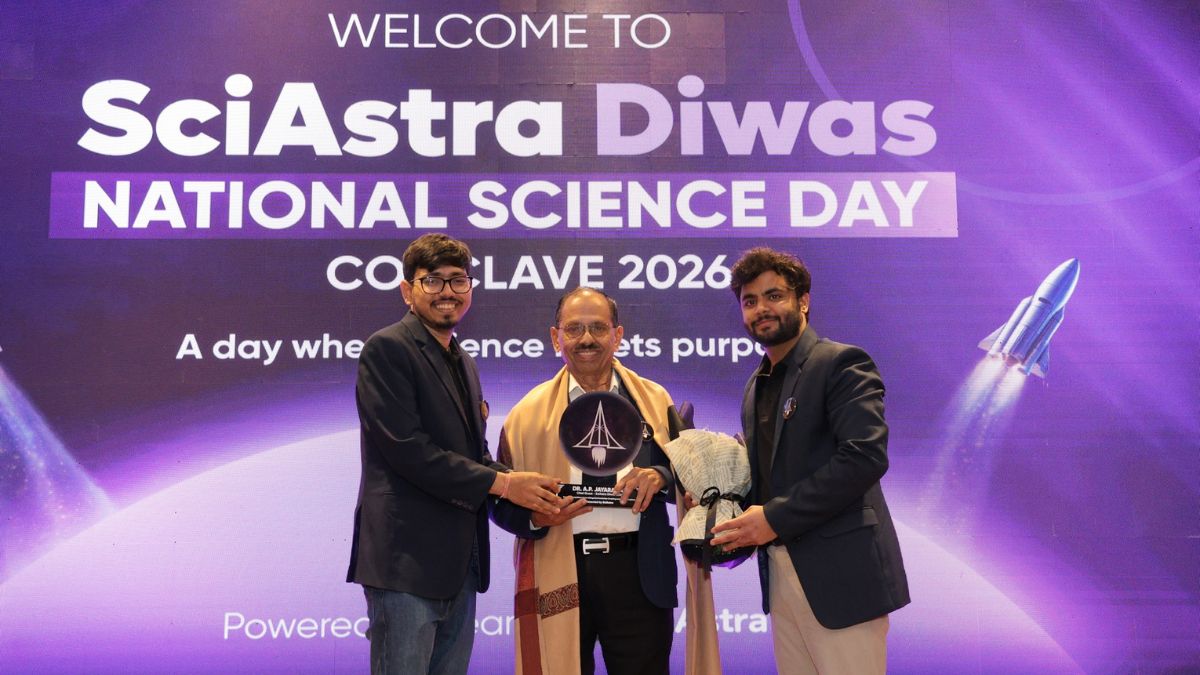
The felicitation of successful students by senior scientists symbolised continuity within India’s scientific tradition, recognising not only academic achievement but perseverance and curiosity.
Looking Ahead
As SciAstra Diwas 2026 concluded, organisers described it as the beginning of a long-term effort to institutionalise structured research preparation in India.
With the launch of India’s first dedicated offline crash course for IAT and NEST, a national online programme, a global mentorship platform and an academia-industry collaboration ecosystem, SciAstra signalled a broader push to transform how India nurtures its future scientists.
For more information, kindly visit the website www.sciastra.com
If you object to the content of this press release, please notify us at pr.error.rectification@gmail.com. We will respond and rectify the situation within 24 hours.
