

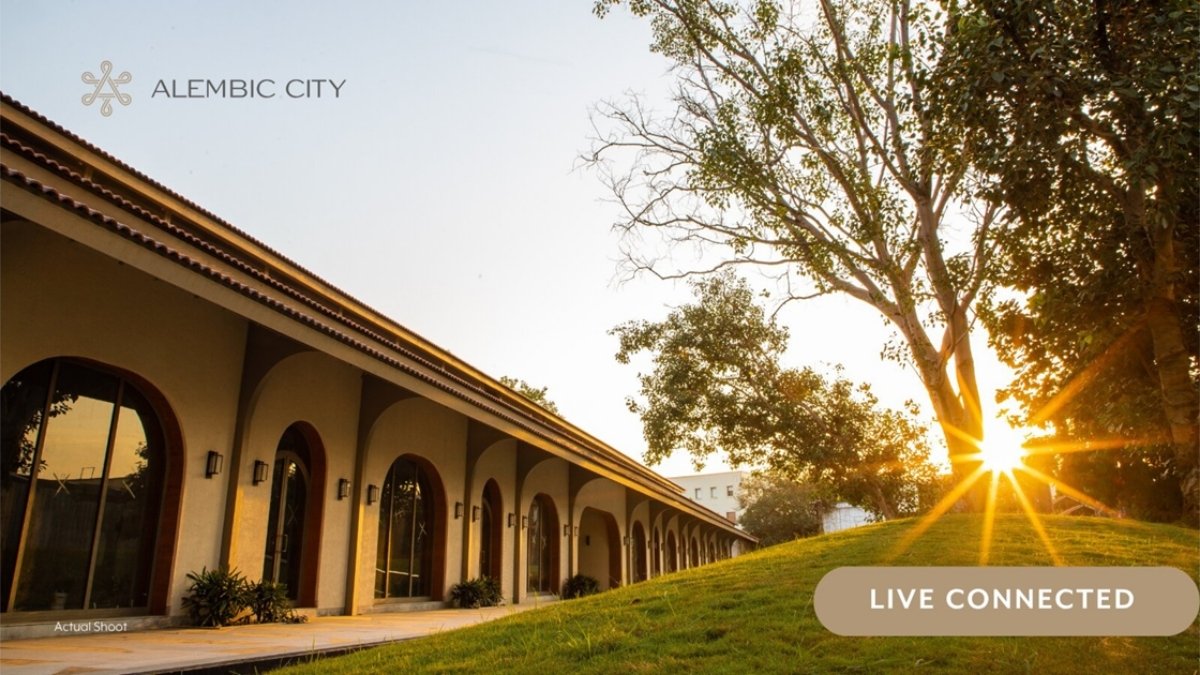
Alembic City; curated green zones woven into the residential fabric, kind of thoughtful design
Vadodara (Gujarat) [India], May 12: Choosing where to live is one of the most significant decisions you will ever make. The apartment size and floor plan matter, of course. But what truly shapes your daily quality of life is the neighbourhood around your front door. A well-chosen neighbourhood can turn a good home into a great life.
So how do you assess a neighbourhood before committing? Here are five defining qualities that separate a truly liveable area from one that merely looks good on a map.
1. Does the Neighbourhood Have Enough Green Space?
Green space directly influences mental wellbeing, physical activity, and community bonds it is not a decorative afterthought. Walk the neighbourhood at different times of day. Are parks maintained and actually used? At Alembic City, curated green zones are woven into the residential fabric, the kind of thoughtful design seen in projects like The Gardens II and Park Crescent, where landscape architecture and residential planning coexist rather than compete.
2. Does Connectivity Actually Work for Daily Life?
A neighbourhood’s value depends on where it connects you. Good connectivity means proximity to arterial roads, public transport, business districts, and airports. Don’t rely on GPS estimates run a real commute test at peak hour. Whether you’re evaluating new residential projects in Vadodara or Bangalore, proximity to the city’s commercial hubs is a non-negotiable criterion.
3. Are Everyday Conveniences Within Easy Reach?
The luxury of a beautiful home fades fast if you’re driving 40 minutes for groceries. The best neighbourhoods function like self-sufficient ecosystems schools, hospitals, supermarkets, and pharmacies all within a short radius. Apply the 20-minute test: can you complete your most common daily tasks within a 20-minute round trip? Alembic City is built around exactly this idea everything a resident needs, from retail to recreation, accessible without a cross-town journey.
4. Is the Neighbourhood Safe With a Strong Community Culture?
Safety is not just about crime statistics, it’s the felt sense of security that lets your children play outside and allows you to take an evening walk without hesitation. Community culture matters equally. Gated communities and curated developments, such as those offering 3 BHK and 4 BHK luxury apartments in Vadodara, invest heavily in security infrastructure and community management, making this easier to evaluate upfront than in open neighbourhoods.
5. Will the Neighbourhood Hold Its Value Over the Long Term?
A neighbourhood worth living in today should be worth living in a decade from now. Research the developer’s track record do they deliver on their promises? Is there a coherent urban vision or a patchwork of mismatched construction? Cities like Vadodara and Bengaluru are seeing strong real estate momentum, and areas where residential growth is backed by commercial development tend to produce more resilient, vibrant communities over time.
Putting It All Together
Green space, connectivity, daily convenience, community culture, and long-term planning neighbourhoods that score well across all five are built with a holistic vision, not a plot-by-plot approach. Projects like Gardens II, Cloud Forest, and Park Crescent at Alembic City reflect exactly this ambition: places designed not merely to be purchased, but to be lived in, fully.
Before you sign on the dotted line, step outside the show flat. Walk the streets, test the commute, talk to a neighbour. The neighbourhood will tell you everything you need to know.
If you object to the content of this press release, please notify us at pr.error.rectification@gmail.com. We will respond and rectify the situation within 24 hours.
