

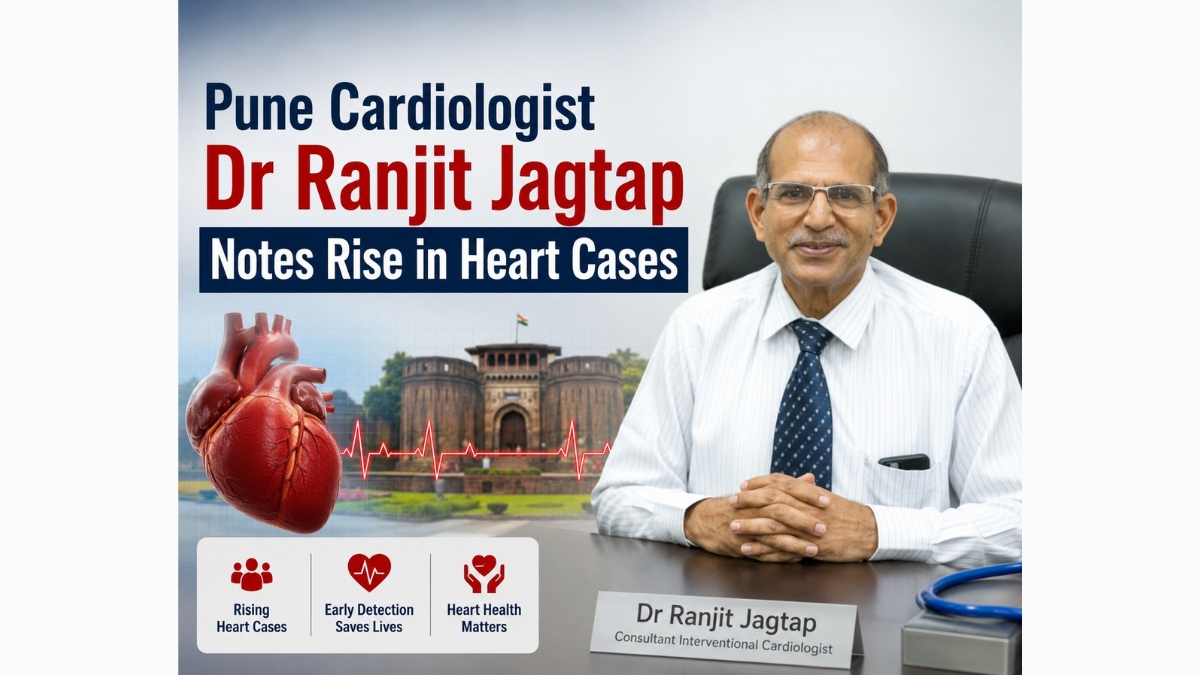
Dr. Ranjit Jagtap, Cardiologist, Ram Mangal Heart Foundation
Pune (Maharashtra) [India], June 04: Heart disease is no longer an elderly problem, but it is increasingly becoming a nationwide epidemic problem that is prevalent among all age groups in India. What is especially dangerous is that it silently advances during the initial phases, and people cannot have significant symptoms before the condition has gone beyond the initial stage. Dr. Ranjit Jagtap news has been repeatedly pointing out this alarming trend, and medical experts state that there is a need to be aware of it at an early age, correct their lifestyles, and provide medical attention in time.
Heart disease is increasingly being recognized as a new epidemic in India, with a rising number of cases even among younger individuals. A key concern is that the disease usually remains silent until noticeable symptoms appear, making early detection extremely critical.
In the modern hectic world, heart disease is not only a health problem, but it is also an indicator of the changing lifestyles, rising stress, and a change of health priorities. Dr. Ranjit Jagtap says that prevention and education should walk hand in hand to lessen the long-term effect of cardiovascular diseases in India.
Understanding the Root Causes Behind the Rise
A combination of contemporary lifestyle and underlying health conditions can be linked to the growing cases of heart diseases. Daily activities have also been greatly transformed by urbanization, with the current trends being sedentary jobs, lack of exercise, and consumption of processed and unhealthy food. Such changes have over time led to the deterioration of heart health.
Poor eating habits and smoking also increase the risks. High salt, oil, and processed food diets cause high cholesterol and blood pressure, which are major causes of heart disease. In tandem with this, the levels of physical and psychological stress have risen, with working long hours and mental pressure causing the heart to be under constant pressure.
The observations of the different Dr. Ranjit Jagtap cases indicate that the lack of activity, diabetes (DM), and obesity are often observed in patients with heart disorders. These not only promote the occurrence of heart disease but also make it difficult to treat once it has occurred.
Other contributing risk factors include hypertension (HTN), prolonged life span leading to age-related cardiac risks, and genetic predisposition, all of which further increase vulnerability to heart disease.
Stress is one of the most important and ignored factors. Chronic stress may result in a long-term hormonal imbalance that causes the blood pressure to be high and causes additional workload on the heart. In the long run, this prolonged stress considerably increases the risk of severe cardiovascular issues.
Prevention: Building a Heart-Healthy Lifestyle
Heart disease is very preventable in the face of the appropriate lifestyle choices, though there has been an increase in the cases. Healthy eating is a heart-healthy habit. Eating fruits, vegetables, whole grains, and proteins daily promotes overall cardiovascular health, whereas excessive salt and fried foods should be avoided to ensure healthy blood pressure and cholesterol levels.
Regular exercise is also crucial. At least 30 minutes of physical activity (walking, yoga, other stress management techniques, etc.) every day helps to strengthen the heart and enhance overall health. These are also essential activities that help in alleviating mental stress.
Another important preventive measure is to avoid tobacco and smoking. These practices have a direct harmful effect on blood vessels and pose a high risk of heart attacks and other complications.
Regular health check-ups are highly recommended, especially after the age of 40, including essential tests such as ECHO, lipid profile, and TMT, to ensure early detection of potential cardiac risks.
Regular health examinations are essential, particularly when one is over 40 years old or when he/she has a heart disease history in his/her family. Frequent screening is important to identify risk factors and intervene early. To have more preventative steps and personal care, the consultation with experienced specialists such as Dr. Ranjit Jagtap can be helpful.
Recognizing Warning Signs Before It’s Too Late
Early symptoms of heart disease are one of the greatest problems related to the management of this condition. Although the condition itself may be silent in the early stages, the body usually sends warning signals, which one should not overlook. One of the most frequent symptoms is chest pain or discomfort, and it can be a sign of underlying cardiac problems.
The other symptoms are palpitations, shortness of breath, and unexplained fatigue even when engaging in normal activities. In others, people might suffer pain in the jaw or epigastric area. These are symptoms that are not given much consideration, yet based on knowledge on various Dr. Ranjit Jagtap case studies, it is important to consider these symptoms when making an early diagnosis.
Additional warning signs may also include sweating, giddiness, and even syncope (fainting episodes), which should never be ignored and require immediate medical attention.
Being aware of these red flags and obtaining medical help in time can greatly affect the results of treatment and may even save lives.
Diagnostics, Treatments and Medical Approach
Modern cardiac evaluation includes diagnostic tools such as ECG, 2D ECHO/TEE, TMT, Holter monitoring, cardiac CT, lipid profile, and blood tests, which help in accurate detection and risk assessment of heart disease.
The importance of awareness and early action remains critical in cardiac care.
Treatment options for heart disease may include interventional procedures such as PPI/TPI, advanced surgeries like CABG, valve surgery, ASD/VSD closure, CTCA-based evaluation, and device implantation such as AICD depending on the severity of the condition.
A multidisciplinary team approach involving cardiologists, cardiac surgeons, anaesthetists, and intensivists plays a crucial role in ensuring safe and effective treatment outcomes.
The increased incidence of heart disease in India demands an informed proactive action on health management. The first and most important step to prevention is awareness. As always emphasized in Dr. Ranjit Jagtap news, there is a great possibility of minimizing the effects of cardiovascular diseases by educating people about risk factors, lifestyle habits, and the early symptoms.
The appropriate response is also crucial. Basic and regular lifestyle modifications like eating well, exercising, managing stress, and having regular health examinations can generate a collective strong guard against heart disease.
Medical professionals such as Dr. Ranjit Jagtap still believe in the concept of a preventive approach, whereby heart health must be prioritized throughout life. Having appropriate knowledge, timely diagnosis, and professional advice, people can manage their health and strive to achieve a healthier future.
Conclusion
Heart disease in India is no longer confined to older adults; younger populations are increasingly at risk due to modern lifestyle factors. By integrating advanced medical techniques with community-focused initiatives, experts like Dr. Ranjit Jagtap are not only improving patient outcomes but also raising awareness about the importance of preventive cardiac care. With continued education, lifestyle adjustments, and broader access to quality healthcare, the silent epidemic of heart disease can be addressed effectively, one patient at a time.
If you object to the content of this press release, please notify us at pr.error.rectification@gmail.com. We will respond and rectify the situation within 24 hours.
