

Mumbai (Maharashtra) [India], July 20: Every founder knows those weird nights when one idea just won’t quit poking at your brain. You try to sleep, but nope—it keeps nagging. So what’s the difference between folks who actually build something and the ones who just talk about it? It’s not luck. Usually, it comes down to a handful of decisions, made in the right order. If you’re itching to start, here’s a rough guide stolen from people who’ve really done it.
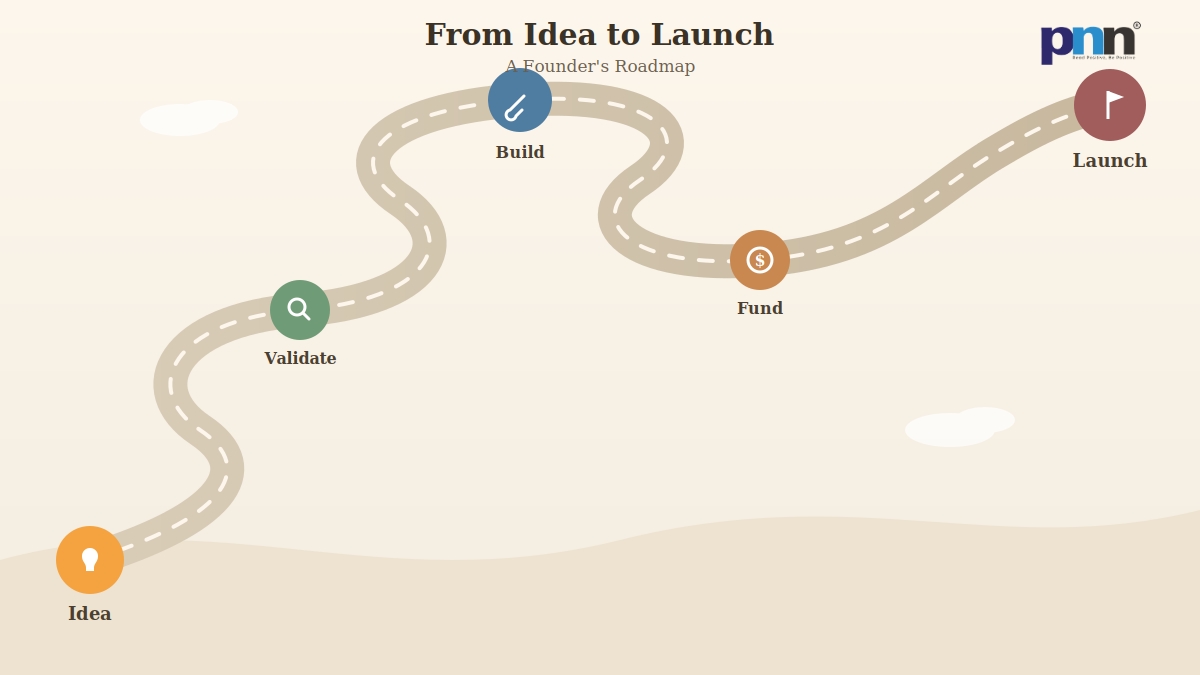
Step 1: Get Obsessed With the Problem
Brian Chesky and Joe Gebbia didn’t set out to build a travel giant. They were just broke in San Francisco, couldn’t cover rent. A big design conference comes to town, all the hotels are booked, so they stick a couple air mattresses in their living room and charge some guests. Not fancy—actually kind of desperate—but it’s exactly what people needed right then. Airbnb came out of that scrappy fix.
If you’re starting out, forget the logo and product name for now. Get obsessed with the actual problem. Who’s losing sleep over it? How are people muddling through at the moment? Would anyone really pay—like, real dollars—to fix this pain? If you can’t answer that honestly, you’re not building a business. You’re just tinkering.
Step 2: Make Sure People Want It
Drew Houston ran into this wall when he started Dropbox. Try telling people about syncing files in 2007—it sounds weird and nobody gets it. So, he just made a quick 3-minute demo video. That’s it. Over one night, a waiting list of 5,000 people exploded to 75,000.
You don’t need a fancy product. Toss up a landing page, build a rough demo, or just call a bunch of people. Anything quick beats wasting months building nonsense in the dark. Joel Gascoigne, the guy behind Buffer, just made a two-page site: one page explaining the tool, another asking what people would pay. He didn’t write a single line of code until he knew people cared.
Step 3: Build the Smallest Thing You Can
So hey, you know there’s real demand. Don’t lose your mind chasing some perfect version. Look at Nick Swinmurn when he started Zappos. No fancy web store at first—he just snapped photos of shoes at local shops and put them online. If someone bought a pair, he’d go buy them at retail and mail them out. He lost money on each sale, but he proved people would order shoes on the internet.
That’s what a real minimum viable product looks like. No hiding behind slick apps or clever tech—do the hard parts by hand if that’s what it takes. And honestly, if version one doesn’t make you a little embarrassed, you waited too long to ship.
Step 4: Figure Out Where the Money’s Coming From
You don’t have to chase venture funding. Sara Blakely started Spanx with just $5,000 she saved up. No investors breathing down her neck, telling her what to do. She sold fax machines during the day and figured out Spanx at night.
So, before you go pitching investors, be honest with yourself: what kind of company do you actually want? Bootstrapping gives you control, but things grow slower. Venture money lets you sprint, but then you’re following someone else’s rules. There’s no single right answer, but do make a real choice.
Step 5: Launch Small, Listen Hard
When Basecamp launched (back when it was 37signals), Jason Fried and his team didn’t make a big scene. They offered it quietly to their old web design clients. Fixed bugs right away, ironed out weird bits, let feedback shape the thing. Launch day was just another day—no big party, just the start of lots of small improvements.
When you launch, do it for a tiny group you actually know. Watch closely, see how they use your thing. Don’t just listen to what they say—look at what they do. Fix the little stuff that annoys them. What annoys the first users will send everyone else running, too.
Step 6: Be Ready to Switch Gears
No company ends up where it started. Instagram was originally called “Burbn”—a clunky check-in app nobody cared about—except for one photo-sharing feature people actually liked. That tiny bit became Instagram. The rest got tossed. One year later: 30 million users.
Treat your plan as a hunch, not a promise. Stay sharp. The best founders don’t get glued to their first idea—they spot clues and pivot fast when something better pops up.
So the quick list:
- Make sure your problem is real before you fall in love with any idea.
- Test for demand without wasting all your energy and money.
- Ship a tiny, kind of ugly version first.
- Get clear about funding—pick on purpose.
- Ship to a handful of people, listen way more than you talk.
- Change direction when the facts push you.
Showing your rough, clumsy draft to real people is rough. Everyone who’s done this has felt the nerves. But honestly, pushing through that fear is what turns a late-night idea into something real.
