

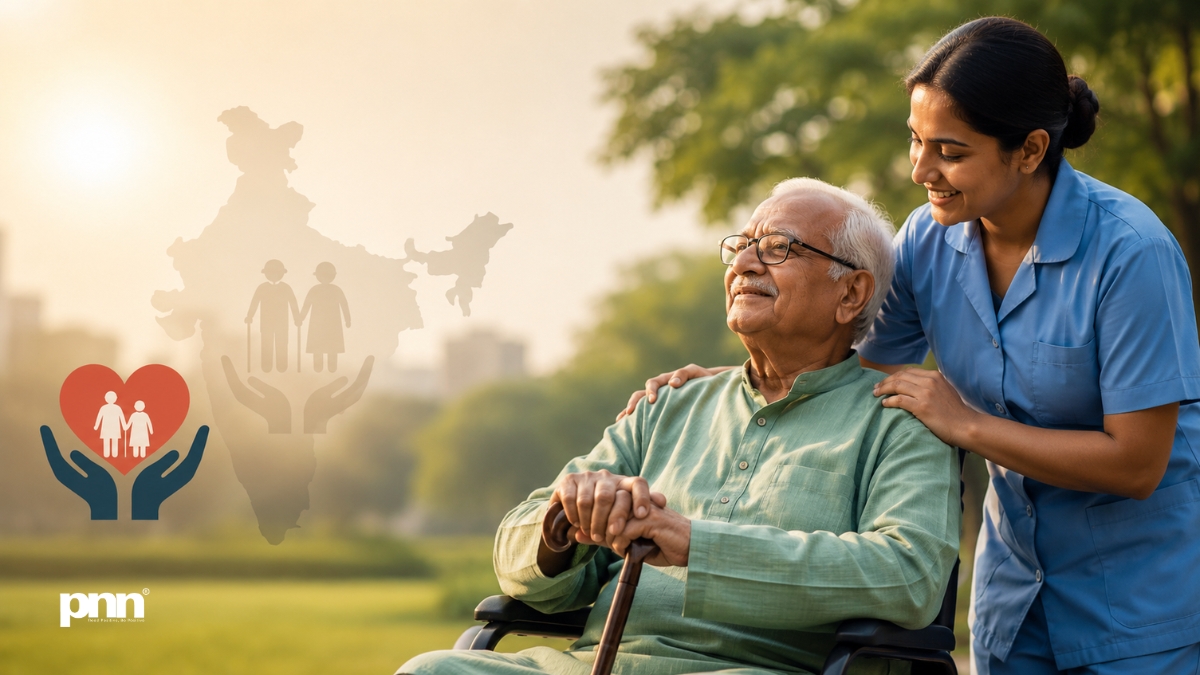
Mumbai (Maharashtra) [India], July 31: By 2050, one out of every five Indians will be over 60. That single fact flips the usual story of India being a “young country” on its head.
A Shift Nobody Saw Coming
For years, people talked about India’s youth—median age around 28, an unstoppable workforce everyone admired. Now, if you stroll through any middle-class neighborhood in Pune or Kochi, you can’t help but see more grey hair on morning walks, more elderly folks shopping alone, and more homes where the kids have left for Bengaluru or Toronto, leaving their parents behind.
The United Nations Population Fund says India’s elderly population will top 300 million by 2050, almost triple what it is now. Kerala’s already there, with over 16% of residents aged 60 or older. It looks more European, demographically speaking, than the rest of the country. What Kerala’s handling today, places like Uttar Pradesh and Bihar will face in a couple decades.
Families Aren’t the Safety Net They Once Were
The old way—joint families caring for their elders—is coming apart as migration and urban lifestyles take over.
Look at Meera Krishnan, a retired schoolteacher in Chennai, age 74. Her sons work in the US and Dubai. She manages her diabetes medication herself, relies on a part-time helper for daily chores, and video-calls her grandkids way more than she sees them in person. This isn’t a rare story anymore; it’s what life looks like for lots of urban seniors.
HelpAge India’s surveys show a big shift—more elderly folks living alone or just with a spouse. That’s a far cry from the multi-generational home that used to be the norm. Elder abuse and neglect, once whispered about, are now openly documented, especially when it comes to property disputes or financial wrongdoing.
Healthcare: Still Catching Up
India’s healthcare was really built for mothers, babies, infectious diseases, and emergencies—not for diabetes, hypertension, arthritis, dementia, heart disease, or anything people need managed over decades.
Geriatric medicine barely exists outside spots like AIIMS Delhi or NIMHANS Bengaluru. Most hospitals don’t have a geriatric ward, trained specialists, or facilities for palliative or long-term care. Rural India is even tougher. Picture an elderly farmer in Vidarbha trekking over 50 kilometers just to see a basic doctor—specialists are basically out of reach.
Out-of-pocket healthcare costs are rough. Government programs like Ayushman Bharat have helped, but lots of elderly folks, especially those without formal pensions, still spend a chunk of their savings on medical expenses late in life.
Pension Coverage: The Reality
Only a small share of India’s working population gets a structured pension—mostly government or corporate employees with schemes like EPF or NPS. Nearly everyone else, whether in agriculture, retail, or informal work, retires without much of a safety net.
The Atal Pension Yojana tries to bridge this gap for informal workers, offering a modest, guaranteed pension after 60. Enrollment keeps climbing, into the crores, but plenty of rural areas don’t know it well and the payout—often just a few thousand rupees a month—isn’t enough for modern living costs or emergencies.
Finding Opportunity in the Challenge
Sure, it’s a challenge, but India’s ageing boom is also creating new opportunities—ones people are just starting to notice.
Senior living is becoming a legitimate industry. Antara and Columbia Pacific Communities have built retirement settlements in places like Dehradun, Bengaluru, and Chennai, offering assisted living, healthcare support, and community activities for wealthier seniors. What used to be niche real estate is now attracting big investments.
Elder-care startups are filling the gaps where the government can’t. Companies like Emoha and Khyaal have subscription plans that cover emergency medical help, companionship calls, and day-to-day support for elders whose children live far from home. These services really address the “distance care” problem families like the Krishnans face.
Telemedicine is promising, too. Apollo TeleHealth and similar projects connect rural seniors with city specialists, so they don’t have to deal with exhausting travel just for a check-up. For someone aged 70 with limited mobility, a video consultation is sometimes the difference between getting help or letting things slide.
Kerala’s example is worth noting. Its “Vayomithram” scheme sends mobile medical units, offers palliative care, and provides social support for seniors, all coordinated by local government. It’s one of the few states actually building elder-care infrastructure in advance, instead of scrambling when it’s too late.
What Comes Next
India can’t simply copy Western ideas—nursing homes and retirement communities don’t totally fit with the way Indian families operate, at least not yet. But we can’t rely solely on the old joint family system either.
The best way forward? Probably a mix. Think home-based and community care, more geriatric training in medical colleges, better pension cover for informal workers, and continued private sector innovation in senior living and elder tech. States that start now—following Kerala’s lead, training doctors, expanding pension awareness—will handle this shift way better than those that wait for the wave to crash.
India’s growth was built on its youth. The next chapter depends on how well we care for those who aren’t young anymore—and how much we manage to create from this new reality, both socially and economically.
