

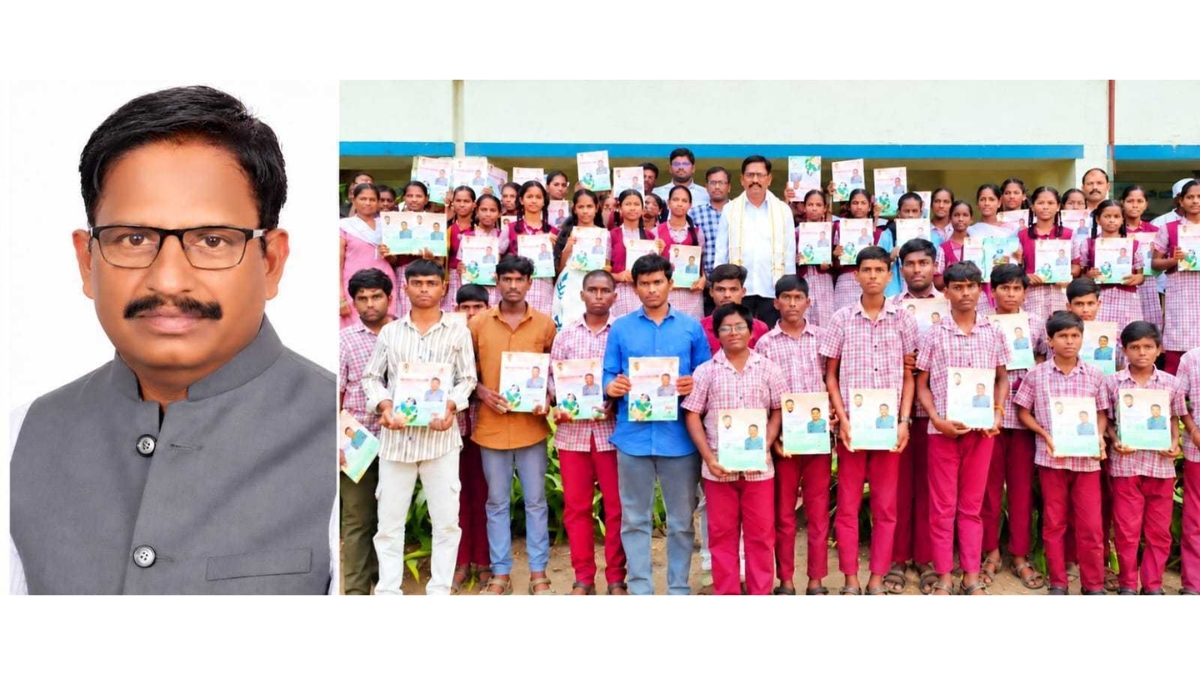
New Delhi [India], October 6: An Education Model Worth Implementing: How Yennam Srinivas Reddy, Founder -My Village School, Telangana, is Turning Students into Teachers, Leaders and Community Partners
Education Beyond Marks
Education is often measured through marks, ranks and examination results. But Yennam Srinivas Reddy believes that the true purpose of education goes far beyond academics. It should build confidence, curiosity, responsibility, leadership and, most importantly, the ability to help others.
This philosophy is reflected in the Shata Shatam education model, an approach that seeks to transform Government students from passive recipients of knowledge into active participants in the learning process.
At the heart of the model is a simple but powerful question:
What if every child could become both a learner and a contributor?
The answer takes shape through four key concepts
Vidya Volunteer, Little Teacher, Little Leader and Buddy Friend
Vidya Volunteers: Connecting Schools and Communities
Through Vidya Volunteers, the vision extends beyond the classroom. Students, teachers, volunteers, parents and communities can become partners in strengthening the educational ecosystem
Little Teacher: Learning by Teaching
Under the Little Teacher concept, students who understand a lesson can help classmates who are finding it difficult. A child who teaches another child does more than share knowledge. The process can build communication skills, confidence and leadership while creating a culture of cooperation and peer learning within the classroom.
Little Leader: Taking Responsibility
The Little Leader initiative takes this idea further by encouraging children to take responsibility for activities, support classmates and participate actively in school initiatives. Leadership is introduced not simply as a position, but as an opportunity to take responsibility and serve others.
Buddy Friend: Learning Together
The Buddy Friend concept creates a support system among students. Children can encourage one another, share learning resources and help classmates overcome difficulties. It reinforces a simple message: no child should feel that he or she has to learn alone.
Technology That Expands Learning
Technology provides another important dimension. QR codes, digital content and animated educational materials can make learning resources more accessible, helping bridge gaps between students and providing Government School children with additional opportunities to learn beyond the conventional classroom.
Redefining Educational Success
The larger vision is to redefine educational success. It is not only about how many marks a student scores, but also whether the child can understand, explain, communicate, collaborate, lead and contribute.
The Shata Shatam model represents a shift in thinking from student to participant, from participant to contributor, and from learner to leader.
Putting the Model into Practice
For schools seeking to adopt this approach, the starting point can be simple: create opportunities for peer teaching, rotate student responsibilities and encourage regular collaboration. Teachers can guide these activities while ensuring that every child participates, including those who are quieter or need additional support. With consistent encouragement, these everyday practices can make learning more inclusive and give students a meaningful sense of shared ownership.
A Movement Beyond the Classroom
When a child learns to teach another child, when a student learns to lead, and when classmates learn to support one another, education stops being confined to the classroom. It becomes a movement that can shape confident, responsible and socially conscious citizens.
