

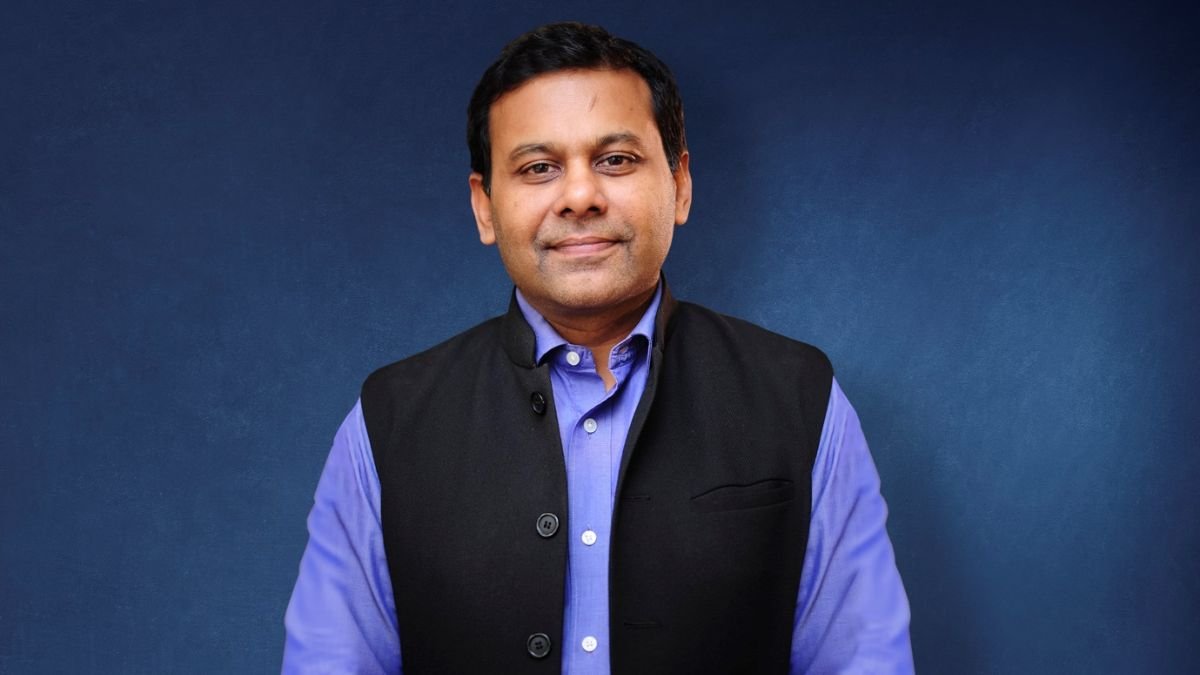
New Delhi (India), September 7: South Asia has emerged as a formidable contender in the global education sector due to unprecedented connectivity and rapid technological advancements. With 25% of the world’s population, South Asia is brimming with growing human potential. The region has 42 million students at higher education levels, with 34 million just in India. Vineet Gupta, Ashoka University Founder, emphasises the region’s impressive strides in recent years. “The region’s evolution from a traditional knowledge hub to a modern educational powerhouse has not only transformed the lives of its citizens but also positioned it prominently on the world map of academia. South Asia’s journey toward becoming a major education leader is remarkable, to say the least. With a focus on inclusivity and innovation, we have fostered an environment where learning knows no boundaries,” Vineet Gupta remarks.
Inclusive and holistic learning approach:
One of the defining aspects of South Asia’s rise in the global education sector is its emphasis on diversity and cultural enrichment. The region’s rich tapestry of cultures, languages, and traditions has become a unique asset in the world of education. It allows individuals to get involved in a truly immersive learning experience that prepares them for the global stage. This inclusive approach has attracted international students and facilitated the exchange of ideas that transcend geographical constraints alongside preparing changemakers.
According to Piyush Gupta, the Chairman of Singapore Management University and Chief Executive of DBS Bank, South Asia is home to a significant portion of the global population and growth. He suggests universities should move beyond passively following market dynamics and simply preparing students for employment. “Universities ought to focus on creating leaders and peacemakers who can actively shape the world on a grander scale and leave a more significant imprint.”
Across the region, over 50,000 higher education institutions provide a wide range of learning opportunities. These options vary from the traditional in-person campus experience to more adaptable online programs. The active participation of the private sector has played a crucial role in expediting the growth of educational capacity and injecting financial resources into the higher education domain. Ashoka University, a leading liberal arts private university in Asia, is a shining example, with an enrolment of over 2,500 students hailing from more than 243 cities within India and 27 additional countries. These students partake in a premium multidisciplinary education with research-focused and immersive practical experiences. This holistic approach equips them to emerge as future leaders and pioneers, ready to make a significant impact in their chosen paths.
Technology, research and development:
Technology has been a driving force in democratising education across South Asia. Online platforms and digital resources have enabled us to reach learners in the remotest corners, breaking down educational barriers and empowering individuals to pursue knowledge at their own pace. The region is making significant progress as it introduces diverse online learning alternatives, such as Massive Open Online Courses (MOOCs) and e-learning platforms. This expansion of online education contributes to enhanced flexibility and increased accessibility to learning. This rise in online learning is concurrent with the notable mobile usage in the region, which reached 41% in 2021 and is projected to surpass 50% by 2025.
South Asia’s ascent as a global education hub is also mirrored in its commitment to research and development. The region’s universities have significantly invested in research infrastructure, fostering an environment conducive to cutting-edge discoveries. This has attracted top-tier faculty and placed South Asia at the forefront of innovation in various disciplines. However, there is still much to do and more to accomplish. Dr Karthick Sridhar, Vice Chairman of ICARE, highlights,“As the National Education Policy (NEP 2020) outlines, an effective higher education structure can be achieved through a three-tier system, including a research university consortium. To enhance global rankings, Indian universities must accentuate their research prowess and contributions.”
Academia-Industry collaboration:
Collaboration between academia and industry is the cornerstone of South Asia’s educational renaissance. By integrating real-world applications into the curricula, graduates who are knowledgeable and work-ready from day one can be nurtured. The growing number of international partnerships and collaborations evidences the global recognition of South Asia’s educational finesse.
Enhancing the calibre of education across various tiers to provide individuals with pertinent skills suitable for the contemporary job landscape holds significant importance. Given that South Asia will introduce 1-1.2 million fresh entrants per month over the next two decades, providing them with the necessary skillset for success in the global workforce is vital.
“South Asian institutions are increasingly promoting academic exchanges and joint research ventures,” Vineet Gupta of Ashoka University explains. “With MoU agreements and collaborations across boundaries, the international recognition is necessary to acquire the high standards of education and research that we have established and planning to do more.”
South Asia faces opportunities and challenges as it continues its upward trajectory in the global education sector. While the achievements are commendable, there is a need to remain vigilant in upholding the integrity of the educational systems. The rising prominence of South Asia in the global education sector is a remarkable journey that reflects the region’s commitment to excellence, inclusivity, and innovation.
If you have any objection to this press release content, kindly contact pr.error.rectification@gmail.com to notify us. We will respond and rectify the situation in the next 24 hours.
